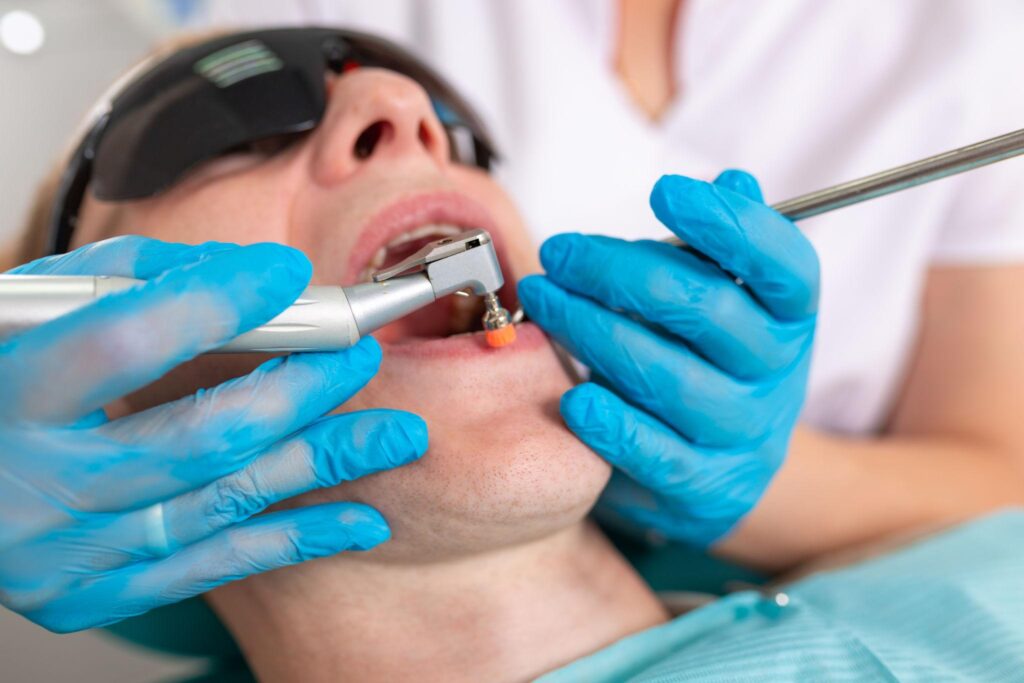
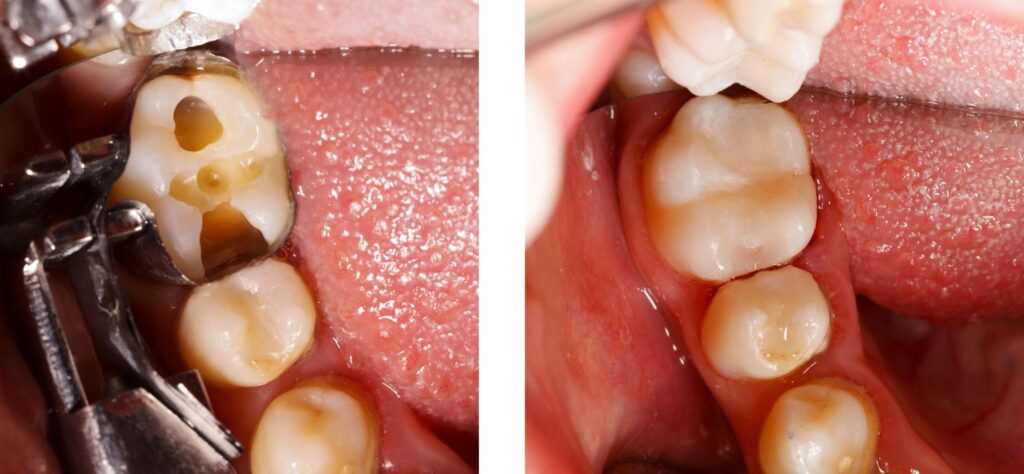
Dental fillings are a common restorative treatment used to repair teeth that have been damaged by cavities (tooth decay), minor fractures, or wear. The filling material restores the tooth’s shape, function, and strength while preventing further decay.
Why Are Dental Fillings Needed?
Dental fillings are used to:
Treat cavities caused by tooth decay
Repair chipped or cracked teeth
Restore worn-down teeth
Prevent further damage and infection
Improve chewing function and comfort
Types of Dental Fillings
Composite Fillings (Tooth-Colored Fillings): Match the natural color of teeth. Ideal for front and visible teeth.
Amalgam Fillings: Strong and durable. Commonly used for back teeth.
Ceramic Fillings: Natural-looking and stain-resistant. Highly durable.
Gold Fillings: Long-lasting and strong. Less commonly used due to cost.
Signs You May Need a Filling
Toothache or sensitivity
Visible holes or dark spots on teeth
Pain while eating sweets, hot, or cold foods
Chipped or cracked teeth
Food frequently getting stuck in a tooth
Benefits of Dental Fillings
Stops tooth decay from progressing
Restores normal tooth function
Strengthens damaged teeth
Improves appearance with tooth-colored materials
Helps prevent more extensive treatments later
Is the Procedure Painful?
Dental filling treatment is generally comfortable. Local anesthesia may be used to numb the area, ensuring minimal discomfort during the procedure.
Conclusion: Dental fillings are a simple, effective, and commonly used treatment to repair damaged teeth and restore oral health. Early treatment of cavities with fillings helps preserve the natural tooth and prevents more serious dental problems in the future. 🦷✨
Why Choose Dental Fillings Treatment?
Restores Damaged Teeth: Repairs cavities, cracks, and minor tooth damage effectively.
Prevents Further Decay: Stops cavities from spreading and protects the tooth structure.
Relieves Tooth Sensitivity: Reduces discomfort caused by hot, cold, or sweet foods and drinks.
Preserves Natural Teeth: Helps maintain your natural tooth and avoids more extensive treatments.
Improves Chewing Function: Restores the tooth’s strength, allowing comfortable eating and biting.
Natural Appearance: Tooth-colored fillings blend seamlessly with your natural teeth.
Quick and Comfortable Procedure: Usually completed in a single dental visit with minimal discomfort.
Long-Lasting Solution: Modern filling materials are durable and can last for many years with proper care.
Cost-Effective Treatment: An affordable way to treat cavities and prevent more expensive dental procedures later.
Enhances Oral Health: Keeps your teeth healthy, functional, and aesthetically pleasing.
When Is a Dental Filling Needed?
Dental fillings are recommended when a tooth has been damaged by decay or minor fractures and needs restoration. You may need a dental filling in the following situations:
To Treat Cavities: When tooth decay creates small holes in the teeth.
To Repair Chipped or Cracked Teeth: For minor damage caused by injury or biting hard objects.
To Restore Worn Teeth: Teeth worn down due to grinding (bruxism) or regular wear and tear.
To Reduce Tooth Sensitivity: When exposed tooth surfaces cause discomfort from hot, cold, or sweet foods.
To Replace Old Fillings: Damaged, loose, or worn-out fillings may need replacement.
To Prevent Further Damage: Early treatment helps stop decay from spreading deeper into the tooth.
When Dark Spots or Holes Appear: Visible signs of decay often indicate the need for a filling.
When Experiencing Tooth Pain: Mild pain or discomfort while chewing may be caused by cavities that require filling.
Regular dental check-ups help detect cavities early, allowing for simple and effective treatment with dental fillings.
Dental Fillings Treatment Process – Step by Step
Dental Examination: The dentist examines your teeth and may take X-rays to assess the extent of decay or damage.
Local Anesthesia (If Required): A local anesthetic is administered to numb the area around the affected tooth, ensuring a comfortable procedure.
Removal of Decay: The decayed or damaged portion of the tooth is carefully removed using specialized dental instruments.
Cleaning the Tooth: The cavity is thoroughly cleaned to remove bacteria, debris, and any remaining decay.
Filling Placement: The selected filling material (composite resin, amalgam, glass ionomer, etc.) is placed into the cleaned cavity.
Shaping and Contouring: The filling is shaped to match the natural structure of the tooth for proper function and appearance.
Hardening the Filling: For tooth-colored composite fillings, a special curing light is used to harden and bond the material to the tooth.
Final Polishing and Bite Check: The dentist polishes the filling and checks your bite to ensure comfort and a natural fit.
Post-Treatment Instructions: You will receive guidance on eating, oral hygiene, and caring for your filling to ensure long-lasting results.
Treatment Duration: Usually completed in 30–60 minutes and often requires just one dental visit.
After Dental Fillings Treatment – Precautions
Avoid Eating Until Numbness Wears Off: Wait until the anesthesia wears off completely to prevent accidentally biting your tongue, lips, or cheeks.
Be Careful with Hot and Cold Foods: Mild sensitivity is common after a filling. Avoid extremely hot or cold foods and beverages for the first few days.
Avoid Hard and Sticky Foods: Do not chew hard candies, ice, nuts, or sticky foods immediately after treatment, as they may damage the new filling.
Maintain Good Oral Hygiene: Brush twice daily and floss regularly to keep the filled tooth and surrounding gums healthy.
Chew Gently: Try chewing on the opposite side of the mouth for the first 24 hours, especially if the filling is large.
Follow Your Dentist’s Instructions: Use any prescribed medications or follow specific care instructions provided by your dentist.
Monitor Sensitivity: Some sensitivity to pressure, hot, or cold foods is normal and usually subsides within a few days.
Avoid Teeth Grinding: If you grind or clench your teeth, discuss protective options such as a night guard with your dentist.
Attend Regular Dental Check-Ups: Routine dental visits help ensure the filling remains intact and your oral health stays on track.
Contact Your Dentist If Needed: Seek dental advice if you experience severe pain, prolonged sensitivity, swelling, or if the filling feels loose or uneven.
With proper care, dental fillings can last for many years and help maintain a healthy, functional smile. 😊🦷