Aligners Treatment
Clear aligners are a series of custom-made, transparent plastic trays that gradually move teeth. Popular examples include Invisalign and similar systems.
How they work:
- A dentist or orthodontist creates a digital scan or impression of your teeth.
- A treatment plan is designed using specialized software.
- You receive a series of aligners, each worn for about 1–2 weeks.
- Teeth gradually shift as you progress through the series.
Advantages:
- Nearly invisible
- Removable for eating, drinking, brushing, and flossing
- Generally more comfortable than braces
Considerations:
- Must be worn 20–22 hours per day for best results
- May not be suitable for all complex orthodontic cases
- Can be easier to misplace because they are removable
Why Choose Braces and Aligners Treatment?
People choose braces and aligners treatment for both health and cosmetic reasons. Properly aligned teeth can improve your smile, but they can also make it easier to maintain good oral health and improve how your teeth function.
Benefits of Braces and Aligners Treatment
- Straighter Teeth: The primary goal is to move teeth into better positions, creating a more even and attractive smile.
- Improved Bite Function: Treatment can correct bite problems such as overbite, underbite, crossbite, and open bite. A properly aligned bite can make chewing and speaking more comfortable.
- Better Oral Health: Crowded or overlapping teeth can be difficult to clean. Straightening teeth may help reduce plaque buildup, lower the risk of cavities, improve gum health, and make brushing and flossing easier.
- Enhanced Appearance and Confidence: Many people feel more confident about their smile after orthodontic treatment, which can positively affect social and professional interactions.
- Reduced Wear on Teeth: Misaligned teeth can place uneven pressure on certain teeth, leading to excessive wear over time. Correcting alignment can help distribute biting forces more evenly.
- Easier Speech in Some Cases: Certain alignment issues can contribute to speech difficulties. Orthodontic treatment may help improve pronunciation for some individuals.
Why Choose Braces?
- Effective for mild to severe alignment problems
- Suitable for complex tooth movements
- Works continuously without needing to remember to wear a device
Why Choose Clear Aligners?
- Nearly invisible appearance
- Removable for eating and oral hygiene
- More comfortable for many patients
- Fewer dietary restrictions
Which Option Is Better?
The best choice depends on:
- The complexity of your orthodontic issues
- Your lifestyle and preferences
- Your budget
- Your orthodontist’s recommendation
Braces are often preferred for more complex cases, while clear aligners are popular among patients who want a discreet, removable treatment option. A consultation with an orthodontist can determine which treatment is most suitable for your needs.
When Are Braces and Aligners Needed?
Braces and aligners are recommended when teeth or jaws are not properly aligned, affecting appearance, oral health, or function.
Common situations where braces or aligners may be needed:
- Crooked teeth: Teeth are misaligned or uneven.
- Crowded teeth: Not enough space in the jaw causes teeth to overlap.
- Gaps between teeth: Excessive spacing between teeth.
- Overbite: Upper front teeth protrude significantly over lower teeth.
- Underbite: Lower teeth extend beyond the upper teeth.
- Crossbite: Some upper teeth bite inside the lower teeth.
- Open bite: Upper and lower front teeth do not meet when the mouth is closed.
- Jaw alignment issues: Problems with biting, chewing, or speaking.
Signs You May Need Treatment
- ✔ Crooked or crowded teeth
- ✔ Difficulty chewing or biting
- ✔ Frequent cheek or tongue biting
- ✔ Speech difficulties caused by tooth position
- ✔ Uneven wear on teeth
- ✔ Jaw pain or discomfort
Braces vs. Aligners Summary
- Braces: Suitable for mild to complex orthodontic problems and provide precise tooth movement.
- Clear Aligners: Best for mild to moderate alignment issues and offer a nearly invisible treatment option.
Early evaluation is often recommended during childhood, but both braces and aligners can effectively straighten teeth at any age.
Braces and Aligners Treatment – Step by Step
- Initial Consultation: The orthodontist examines your teeth, bite, and jaw alignment. X-rays, photographs, and digital scans may be taken to assess your condition.
- Treatment Planning: Based on the examination, a customized treatment plan is created. The orthodontist determines whether braces or clear aligners are the best option and estimates the treatment duration.
- Records and Impressions: Digital scans or dental impressions are taken to create a precise model of your teeth. This helps in designing braces placement or custom aligners.
- Starting the Treatment:
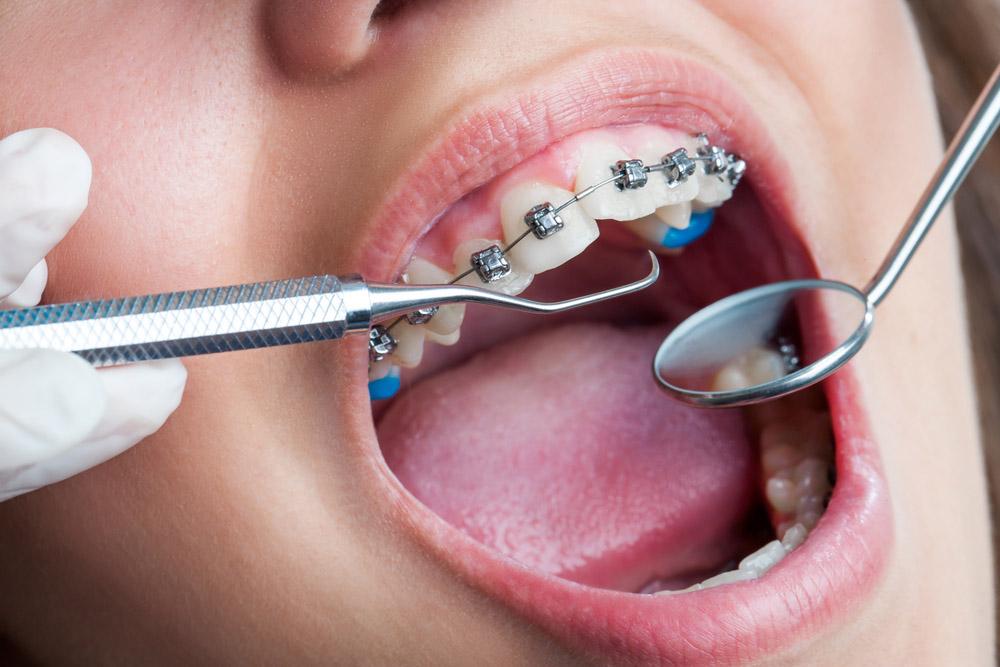
- For Braces: Brackets are bonded to the teeth, and archwires are attached to guide tooth movement.
- For Aligners: A series of custom-made aligners is fabricated, and the first set is delivered and fitted.
- Regular Adjustments and Monitoring:
- Braces: Follow-up visits every 4–8 weeks for wire adjustments and progress checks.
- Aligners: New aligners are provided every 1–2 weeks, with periodic check-ups to monitor progress.
- Teeth Movement and Alignment: Gradual pressure moves the teeth into their desired positions. Treatment duration varies depending on the complexity of the case.
- Completion of Treatment: Once the teeth are properly aligned, braces are removed, or the final aligner set is completed.
- Retention Phase: A retainer is provided to maintain the new tooth position and prevent relapse. Wearing the retainer as instructed is essential for long-term results.
Benefits & Duration
- Straighter teeth and a confident smile
- Improved bite and chewing function
- Better oral hygiene and easier cleaning
- Reduced risk of tooth wear and gum problems
Typical treatment duration: 6 months to 3 years, depending on the severity of the alignment issue and the treatment method chosen.
After Braces and Aligners Treatment – Precautions
After completing braces or aligner treatment, following proper precautions is essential to maintain your new smile and prevent teeth from shifting back.
- Wear Your Retainer Regularly: Wear the retainer exactly as prescribed by your orthodontist. Consistent retainer use helps keep teeth in their new position.
- Maintain Good Oral Hygiene: Brush twice daily and floss regularly. Clean your retainer or aligner as instructed.
- Attend Follow-Up Appointments: Regular check-ups help monitor stability and address any issues early.
- Avoid Habits That Can Shift Teeth: Do not bite nails, chew ice, or use teeth to open packages. Avoid habits that place excessive pressure on teeth.
- Protect Your Teeth During Sports: Wear a mouthguard during contact sports to prevent injury.
- Watch for Teeth Movement: If you notice teeth shifting or your retainer feels tight, contact your orthodontist promptly.
- Maintain a Healthy Diet: Limit excessive sugary foods and drinks to reduce the risk of cavities and gum problems.
- Handle Retainers Carefully: Store retainers in their case when not in use. Keep them away from heat, which can cause distortion.
Conclusion
Proper retainer use, good oral hygiene, regular dental visits, and avoiding harmful habits are key to preserving the results of braces and aligner treatment for years to come.