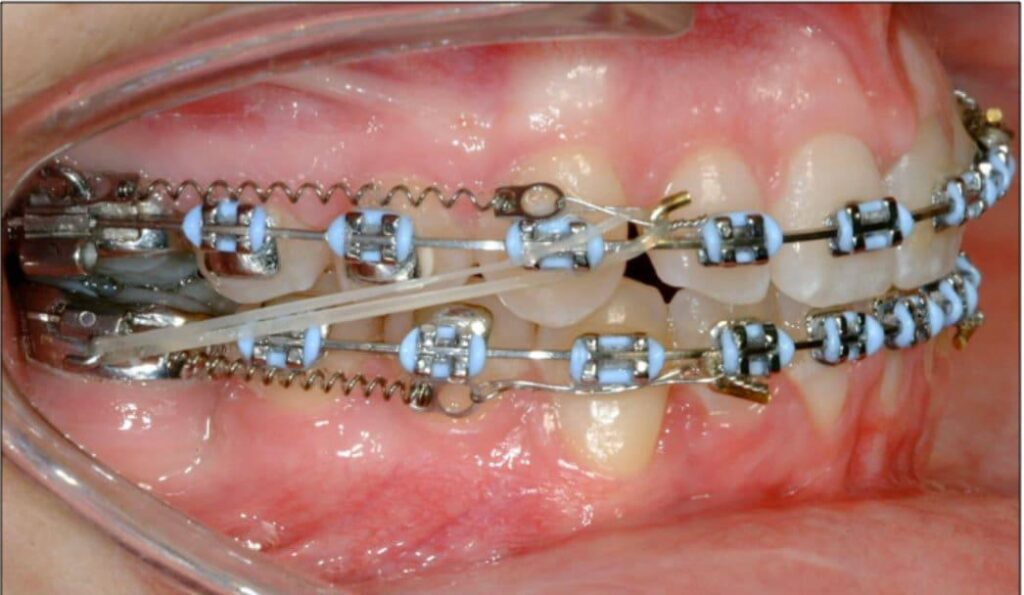
A space in between teeth, medically known as a Diastema, is a visible gap between two or more teeth. While these gaps are most common between the two upper front teeth, they can occur anywhere in the mouth. Treatment for spacing issues involves cosmetic or orthodontic procedures to close the gaps and create a uniform smile.
Common Causes of Spaces Between Teeth:
Genetics: A mismatch between the size of the jawbone and the size of the teeth.
Missing or Undersized Teeth: When teeth are missing or naturally too small, adjacent teeth may spread out.
Oversized Labial Frenum: The tissue that connects your lip to your gums may grow too large and push the front teeth apart.
Gum Disease: Infection can weaken the bone supporting the teeth, causing them to loosen and shift.
Childhood Habits: Thumb sucking or pacifier use can pull the front teeth forward and create gaps.
Incorrect Swallowing Reflex: Pressing the tongue against the front teeth while swallowing (tongue thrusting) can push teeth apart over time.
Treatment Options to Close Gaps:
Dental Bonding: Applying a tooth-colored resin to the sides of the teeth to fill the gap.
Dental Veneers: Custom-made porcelain shells placed over the front of the teeth to cover spaces.
Orthodontic Treatment: Using braces or clear aligners (like Invisalign) to physically move teeth together.
Dental Crowns: Covering the entire tooth to improve shape and close wider spaces.
Frenectomy: A minor surgical procedure to reduce an oversized lip tissue causing the gap.
Treatment Duration: Can range from a single 45-minute visit (for dental bonding) to several months (for braces or aligners).
Why Choose Treatment for Spaces Between Teeth?
Closing gaps between teeth is chosen to improve both oral health and the appearance of your smile. Here are the main reasons:
Enhances Smile Appearance: Creates a uniform, balanced, and attractive smile.
Boosts Self-Confidence: Helps you feel more comfortable and confident when smiling, laughing, or talking.
Prevents Food Trapping: Stops food particles from getting stuck in gaps, which can cause bad breath and decay.
Reduces Gum Disease Risk: Closing spaces protects the gums from direct impact while chewing and reduces plaque buildup.
Improves Speech: Fixes whistling sounds or pronunciation issues caused by air passing through front teeth gaps.
Fixes Bite Alignment: Ensures that upper and lower teeth meet properly for comfortable chewing.
Prevents Teeth Shifting: Keeps surrounding teeth in their correct positions so they don’t drift into the open space.
Customizable Solutions: Offers various treatment options depending on your budget, time, and needs.
In simple words: Closing the spaces between your teeth gives you a healthier mouth and a flawless, confident smile.
When Is Treatment for Tooth Gaps Needed?
Treatment to close gaps between teeth is recommended when a person is unhappy with the appearance of their smile or when the gap is causing dental issues. It may be needed in the following situations:
Visible Front Gaps: When there is a noticeable space between the two upper front teeth (midline diastema).
Food Getting Stuck: When eating certain foods leads to trapping in the spaces, irritating the gums.
Speech Difficulties: If the gap causes a lisp or whistling sound when speaking.
Gum Inflammation: When exposed gums between teeth become tender, red, or swollen due to food impact.
Shifting Teeth: When a gap causes neighboring teeth to become loose or drift out of alignment.
Aesthetic Concerns: When a person feels shy or hides their smile in photos due to the gaps.
Bite Issues: When the spacing affects how the upper and lower jaw fit together.
In simple words: Treatment is needed when gaps make you feel self-conscious or cause discomfort, food trapping, and gum issues. 😊
Gap Closure Treatment Process – Step by Step
Initial Consultation: The dentist examines your teeth, measures the gaps, and discusses your smile goals.
Dental X-Rays & Examination: X-rays are taken to check the health of the roots, bone, and gums to ensure they can support treatment.
Choosing the Treatment Plan: The dentist explains the best options (bonding, veneers, or orthodontics) based on the size of the gap and your budget.
Preparation (If needed): Teeth are professionally cleaned. If veneers are chosen, a thin layer of enamel is prepared. If braces/aligners are chosen, digital scans are taken.
Performing the Procedure:
For Bonding: Resin is applied, shaped to close the gap, and hardened with a special light.
For Veneers: Custom porcelain shells are securely bonded to the front of the teeth.
For Orthodontics: Braces are attached or the first set of aligners is provided to begin moving teeth.
Bite Check & Adjustments: The dentist ensures your bite is comfortable and natural.
Final Polishing: (For bonding and veneers) The restorations are polished to perfectly match the shine of your natural teeth.
Aftercare Instructions: The dentist provides guidance on how to care for your new smile to prevent damage.
After Gap Closure Treatment – Precautions
After your treatment is complete, proper care is required to ensure your gap stays closed and your restorations remain beautiful.
Maintain Good Oral Hygiene: Brush twice a day and floss gently to keep the gums healthy around the closed space.
Avoid Biting Hard Objects: (If you had bonding or veneers) Do not bite your nails, chew ice, or use your front teeth to open packages, as this can chip the material.
Limit Staining Foods: Composite bonding can stain over time. Limit excessive coffee, tea, turmeric, and smoking.
Wear Your Retainer: (If you used braces or aligners) You must wear your retainer as instructed to stop the gap from opening up again.
Chew Carefully: For the first 24 hours after bonding or veneers, stick to softer foods.
Use a Night Guard (If Recommended): If you grind your teeth at night, a guard will protect your veneers or bonding from cracking.
Attend Regular Dental Checkups: Visit the dentist every 6 months for professional cleaning and to check the condition of your treatment.
Important: With proper care, good oral hygiene, and regular dental visits, your newly closed smile will stay beautiful and healthy for years to come! 😊